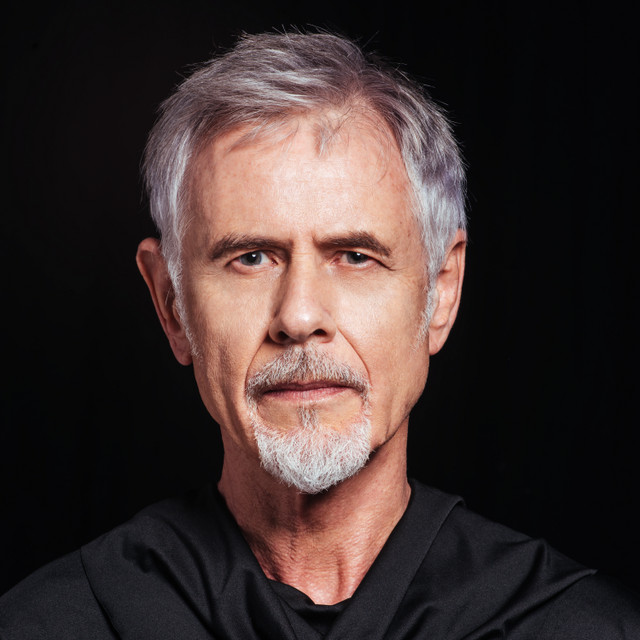
Biografia
Reaching the incredible mark of 500,000 sold copies of his first single and 700,000 copies of his first LP, Ritchie is also important in the evolution of Brazilian music that was conducive to the Brazilian rock style of the '80s. The son of a military officer, Ritchie lived in Kenya until he was two; he began to sing Schubert and Britten in a church in Germany and also lived in Denmark, Italy, and South Yemen. In 1971, he joined the pop-folk group Everyone Involved, which had 27 members. The group was formed with the sole objective of protesting against a viaduct over Piccadilly Circus in London. They recorded an LP, called Either/Or, and during that recording, Ritchie became friends with guitarist Mike Klein's Brazilian pals Lúcia Turnbull, Rita Lee, and Arnolpho Lima (Liminha, the then-bassist for Os Mutantes and future choice producer of Brazilian pop/rock). Ritchie became an Os Mutantes enthusiast and soon got a Brazilian girlfriend, in whose home in Rio he arrived at in September 1972. In a sound check for the band for the 7th International Song Festival (FIC) in Maracanãzinho that same day, Ritchie became stricken with the performance of Raul Seixas and decided to stay in Brazil. But the affair with the Carioca girl finished in the next week and Ritchie, without a place to live, accompanied the Os Mutantes to São Paulo, where they lived. In that city, he formed the band Escaladácida, with Azael Rodrigues, Sérgio Kaffa, and Fábio Gasparini. The band was bound to record for Continental in 1973 when it was dissolved. At that point, Ritchie was married to Carioca Leda Zucarelli, so a return to Rio was an obvious choice. There, he taught English to make a living, and took flute classes with Brazilian virtuoso Paulo Moura. The next step was the progressive band A Barca do Sol, which also was the first important project for future values of MPB, like Jaques Morelembaum. Joining the group as a flutist, he wanted to sing, but the other members were against it because of his strong British accent. Frustrated, he left the group, but was soon approached by his former acquaintances Lulu Santos and Luiz Paulo Simas, with whom he formed the group Vímana, an important link for Brazilian rock between the seminal Os Mutantes and the blossoming style of the '80s. In 1978, the band was dissolved and Ritchie returned to his English classes, finding a job at Berlitz. In the following year, he recorded a demo tape with Jim Capaldi (former Traffic drummer). In 1980, Capaldi asked him to be the producer of his solo album Let the Thunder Cry. Ritchie went to London, where produced the album, which was crowded with talents: drummer Andy Newmark, saxophonist Mel Collins, percussionist Reebop Kwaku-Baah, and drummer Simon Kirke (from Free).
Próximos shows
5 eventos mais próximos
Últimos shows
5 eventos mais recentes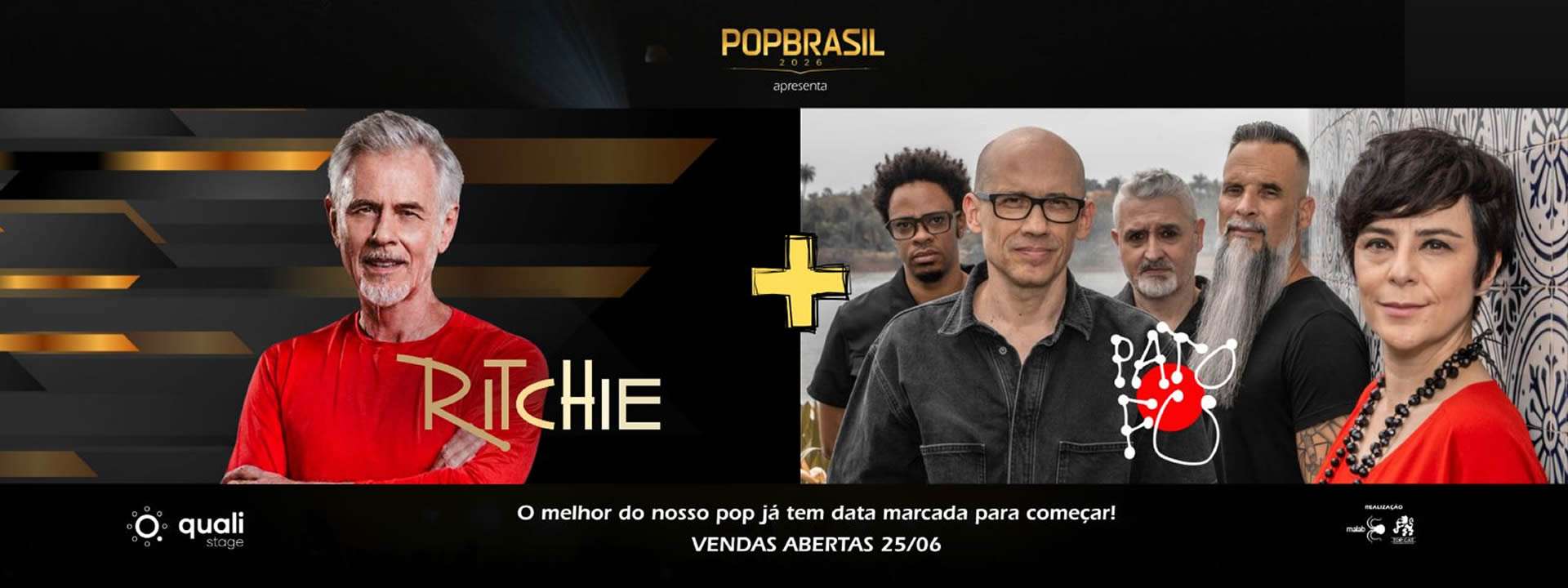
Análise completa
Exclusivo para assinantes
Desbloqueie a análise completa: potencial de receita, público estimado, % de vendas, mapa de shows por estado e histórico mapeado deste artista.
Fazer upgrade agora